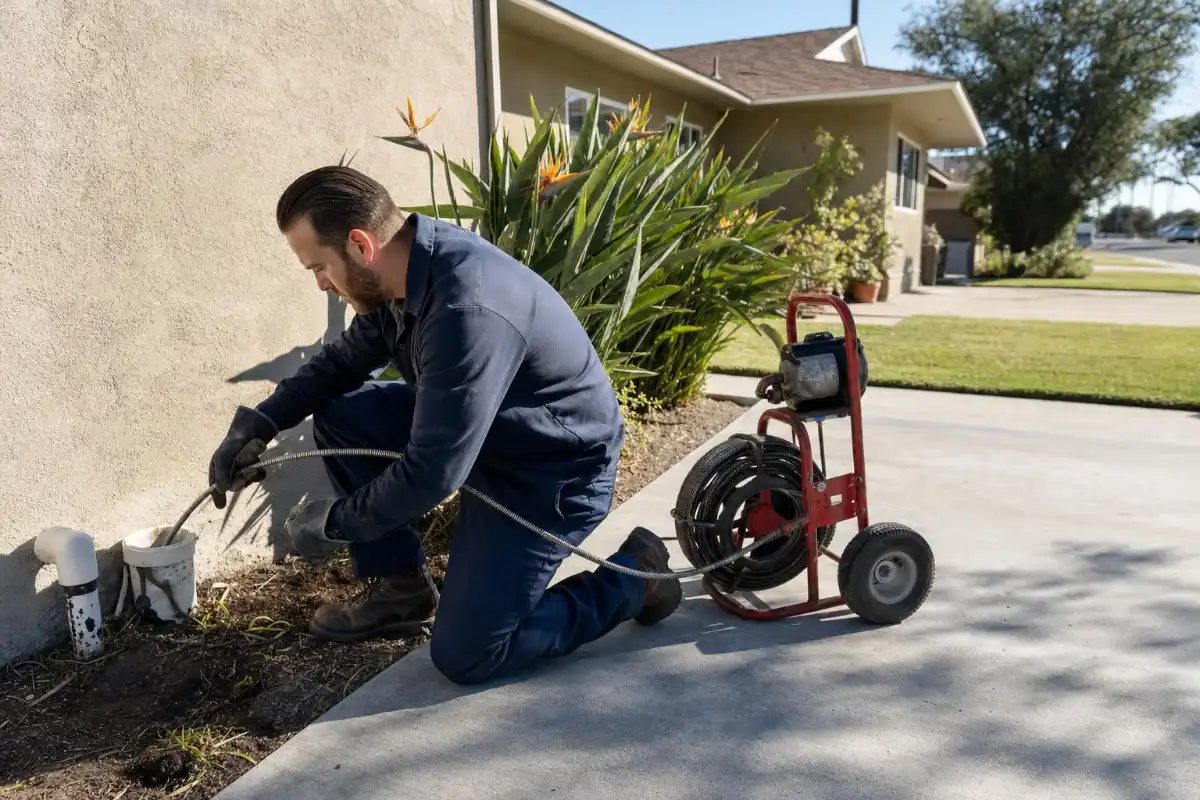
Kitchen, bath and main line clogs
Drain Cleaning in Torrance, CA
Slow drains, gurgling or water backing up into a tub or shower? Call or send a request to be connected with an independent Torrance plumber.
Every home gets a slow drain sooner or later. The question that matters is whether the clog is in one fixture or in the line that carries everything out of the house. A kitchen sink that backs up after the dishwasher runs is usually a branch line problem. Water coming up in the tub or shower when the toilet flushes points to the main line or the sewer lateral, and in a Torrance home built in the 1950s or 1960s that line may have decades of grease, scale and roots in it.
The plumber you are connected with finds where the clog is, explains what caused it and gives you a price before any work begins. Callbacks and on-site availability vary.
Three owners share the path from your drain to the treatment plant. Torrance is in Los Angeles County Sanitation Districts District No. 5 and the South Bay Cities district, which run trunk sewers and treatment but say "local sewers and laterals that connect to the Districts' trunk sewers" are the responsibility of local jurisdictions. The City of Torrance maintains 287 miles of city-owned sewer lines and nine lift stations, per its sewer and wastewater page. And the lateral is yours: the city's sewer lateral policy says "Property owners are responsible for maintaining and repairing their sewer lateral," including "the entire pipe on private property" and "the connection point to the City sewer."
So a clog in the city main is the city's to clear; a clog anywhere from about 12 inches outside your house to the connection at the main is yours. In unincorporated county pockets, LA County Public Works applies the same idea: laterals are "entirely owned by the private property owner they serve."
The city's lateral policy lists tree root intrusion among the causes of lateral trouble and recommends routine inspection and cleaning. A second city page says leaks in a lateral "can cause roots to intrude" (tree-related lateral page). Roots find their way in through cracks and joints, grow in the warm, wet pipe and catch everything that flows past. The long dry season makes the moisture inside a leaking lateral more attractive. A line that needs root cutting every year is telling you something.
Grease is the other common cause. Grease poured down the sink cools and sticks to the pipe, and it is one of the most common causes of kitchen line and lateral clogs. Wipe greasy pans with a paper towel before washing, use strainers in tubs and showers, and flush only toilet paper.
Older housing is the reason repeat clogs deserve a camera here. SCAG's housing data shows about 60 percent of Torrance homes built in the 1950s and 1960s and about 82 percent before 1980, by our math. Older drain and sewer pipe tends to have more joints for roots to find and more scale and corrosion inside.
The plumber sets the price. These are guides:
What moves the price: which line is clogged, whether there is an accessible cleanout, the method, roots, the length of the run, after-hours timing, and whether a camera inspection is added.
Clearing a clog is maintenance. Repairing or replacing the pipe is plumbing work that may need a permit and a licensed contractor. California's C-36 plumbing license covers "the proper disposal of fluid waste." Anyone without a license may only take jobs under $1,000 in total that need no permit and no hired workers, and unlicensed ads "must state the person is not licensed," per the CSLB. In Torrance, repairing the lateral on your property takes a city plumbing permit, and work past the property line also takes a Construction and Excavation Permit, per the city's lateral policy. If a drain job turns into pipe repair, ask who will do it and check that license on the CSLB's website.
A note on how this works: Torrance Plumber Help is an independent referral service, not a plumbing company. Your request goes to an independent plumbing contractor who serves Torrance, and there is no charge for the referral.
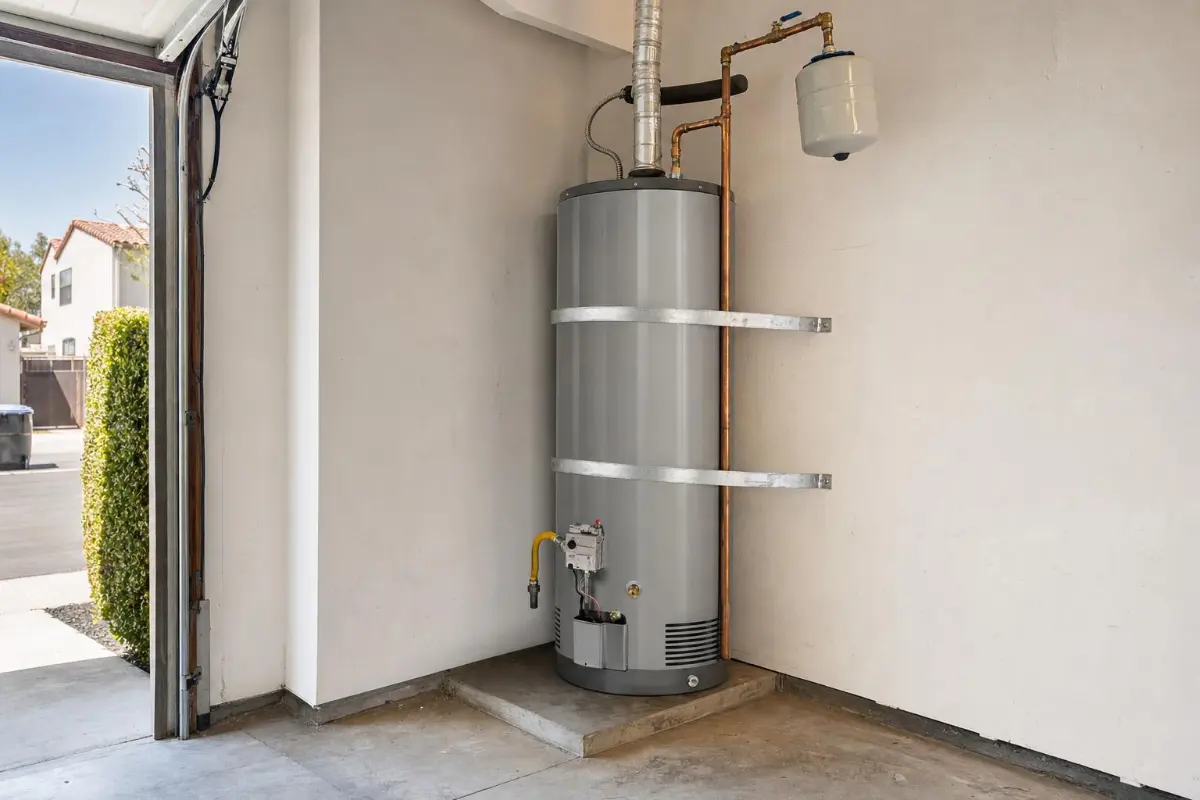
These are the drain problems Torrance homeowners and renters most often ask about.
Grease and food buildup cleared from the sink line, with jetting where it fits.
Hair and soap clogs cleared from the fixture and branch line.
Backups in the line to the street cleared through a cleanout or a pulled toilet.
Roots cut out of sewer lateral joints, with a camera check to see the cause.
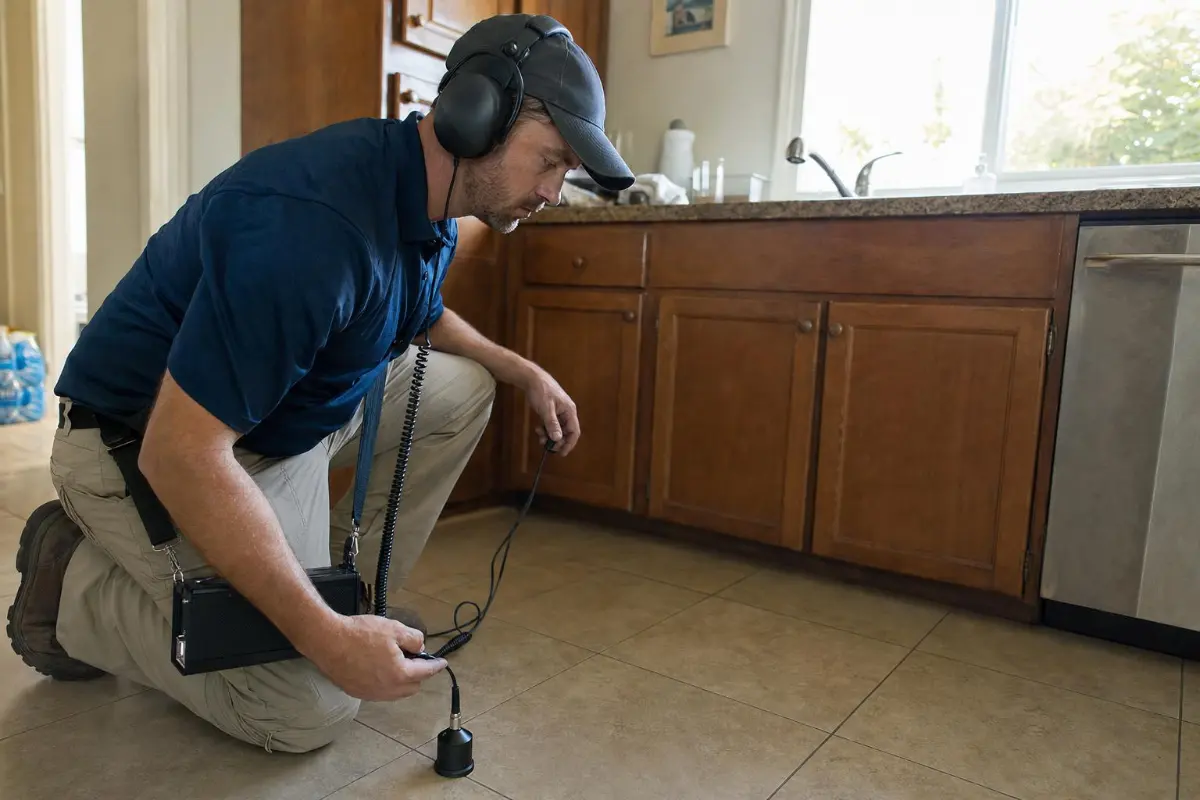
Video of the inside of the line to find roots, sags, breaks and the clog's location.
Ask why the drain clogged, not just how it was cleared.
If a camera is used, ask for a copy of the video.
Get the method and price before the cable goes in.
Tell us which drains are backing up and get connected with an independent Torrance plumber.
Free — no obligations
Call (424) 390-5879 or send the form. Say which drains are slow, whether water is coming up anywhere, and where you are.
An independent plumber who serves Torrance contacts you. Callbacks and on-site availability vary.
The plumber finds whether it is one fixture or the main line, using a camera where needed.
You get a price before work starts and decide whether to add a camera inspection.
Angi's Los Angeles page (undated) puts a clogged drain or toilet repair at $125 to $400. HomeAdvisor (labeled 2025) gives drain clearing an average of $241 and $100 to $800 for a main sewer line. HomeGuide (undated) puts hydro jetting at $300 to $800. The plumber sets the price.
A clog in the city main is the city's. A clog in your lateral is yours: the City of Torrance says property owners are responsible for the lateral, including the entire pipe on private property and the connection to the city sewer. A plumber's camera shows where the clog is.
For a one-time sink clog, usually not. For repeat main line clogs, an older line or a home purchase, it shows roots, breaks and sags before anyone digs. HomeGuide (undated) puts it at $125 to $500.
Usually the landlord or property manager arranges and pays for drain repairs, so tell them first and check your lease. In a building with shared lines, say which units are affected.